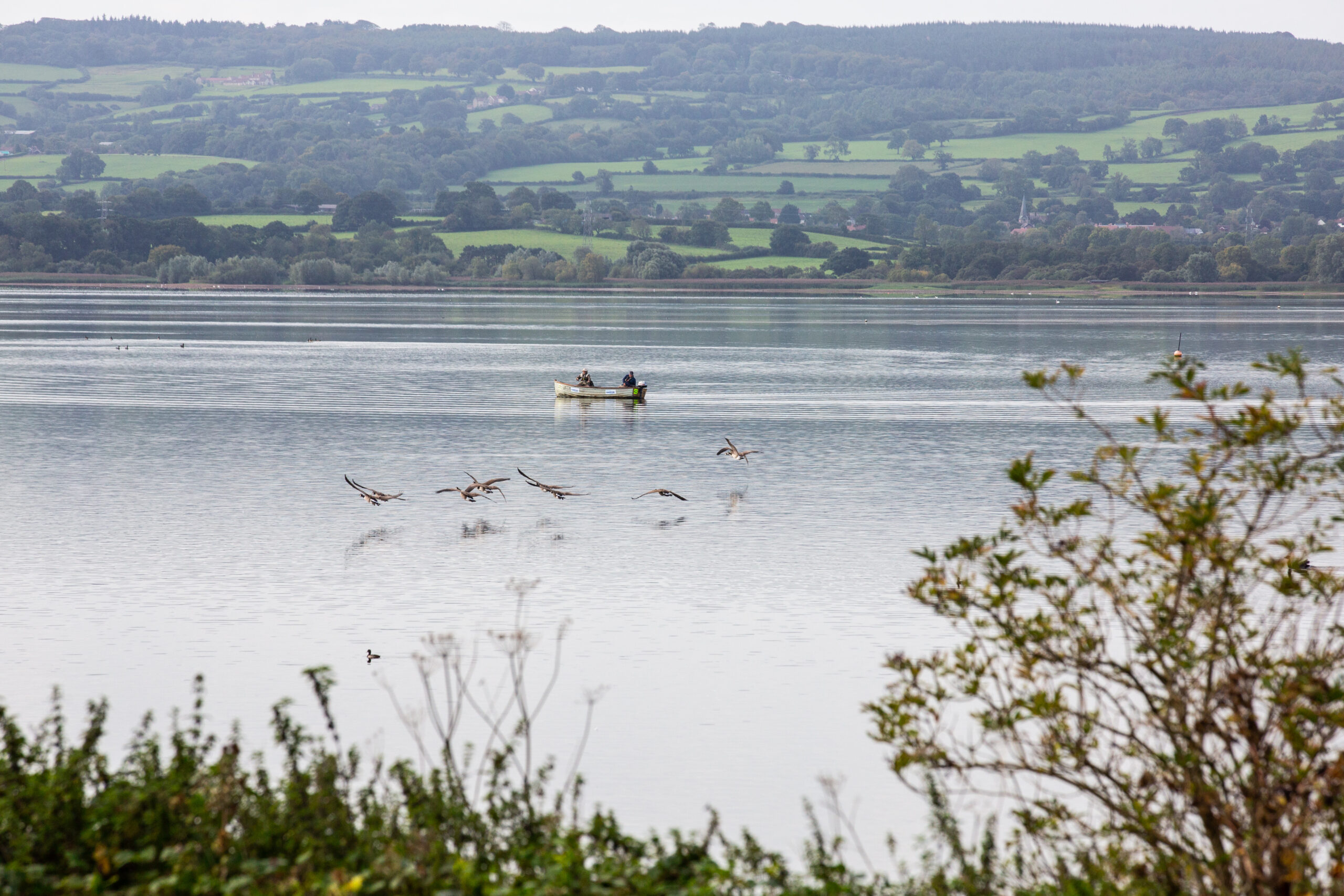
The most ambitious and comprehensive study of the West of England’s wildlife ever undertaken is being published today. The State of Nature report highlights where habitats are under pressure and where urgent action is needed to reverse species’ decline.
Over 33,000 records across 359 species, collected by volunteers and local recorders, supported by the natural history community, were used to create the West of England’s first Wildlife Index. Underpinning the State of Nature report, analysis of this data foundthat since 2000:
- 15% of species are declining in the region, and 4% are increasing
- 62% of fish species are declining
- 44% of birds are declining
- Only 1% of insects are increasing
The region’s woodland cover stands at 7.5%, below the overall UK level of 13.5% and Europe’s 38%.
The State of Nature report not only documents loss, but underlines how environmental investment and stewardship can support the West of England’s future success. Over recent years, partners across the West of England have together already restored over 850hectares of habitat, planted around 250,000 new trees, and cleaned up some 30 miles of rivers.
To further boost efforts, a new£5 million Nature Fund wasapproved on Friday by the Mayor and council leaders to reverse biodiversity decline, connect habitats, and connect people with nature, through landscape-scale projects identified in the region’s Local Nature RecoveryStrategy (LNRS).
The West was the first region in England to publish its LNRS, setting out regional priorities for nature and informing where funding and resources for nature recovery would be best allocated. Since then, 22,000new trees have started to take root in Pucklechurch Wood as part of the new Western Forest, the country’s first new national forest in decades.
The State of Nature report is the product of real collaboration between the West of England Mayoral Combined Authority and fellow organisations across the West of England Nature Partnership and comes during the Natural History Consortium’s annual Festivalof Nature, the UK’s largest free celebration of the natural world. Recognising nature recovery cannot be delivered by any single organisation, the Mayoral Combined Authority has also joined Rebuilding Nature: an allianceof cross sector organisations.
Helen Godwin, Mayor of the West of England, said:
“The West of England is exceptionally well-placed to lead on the environment, with strong partnerships and a clear direction through the Local Nature Recovery Strategy. Climate and nature are threaded through our regional Growth Strategy as real priorities.
“The State of Nature report can make for difficult reading, but it also highlights the opportunities where everyone can protect and restore our biodiversity. Our new £5 million Nature Fund will help make a real difference that people – and wildlife – here inthe West Country can see and feel.”
Sumita Hutchison, Chair of the West of England Nature Partnership, said:
“The threats to nature are becoming clearer to all of us — we’ve felt them in the recent heatwave and the unpredictability of this year’s weather. The State of Nature report is a call to action, and on the back of it we are galvanised to bring even morepeople together for nature.
“Yet I feel real hope, because this is the work of an extraordinary partnership of inspired and forward-thinking leaders, including the Mayor. The Nature Fund will be a catalyst for genuine growth — for nature, and for the resilience of our region.”
Councillor Kevin Guy, Leader of Bath & North East Somerset Council; Councillor Tony Dyer, Leader of Bristol City Council and Deputy Mayor of the West of England; Councillor Mike Bell, Leader of North Somerset Council; Councillor Maggie Tyrrell, Leader ofSouth Gloucestershire Council, and Councillor Ian Boulton, Co-Leader of South Gloucestershire Council, said in a joint statement:
“From the Severn Estuary and the Avon Gorge to the North Somerset levels and moors, to the rolling hills of the Cotswolds and the Mendips, our landscapes are nationally acclaimed – but also facing significantchallenges.
“The State of Nature report gives the clearest picture ever for our region of where the priorities lie and where action can be most effectively taken to address decline. Whether an organisation, a communityor an individual, there are opportunities for all of us to play our part in nature recovery across the West of England.”
Savita Wilmott, CEO of The Natural History Consortium, said:
“The State of Nature report is both a warning and an invitation. Whilst it highlights significant declines across many species, it also demonstrates what can be achieved when communities, organisationsand decision-makers work together for nature.
“This year’s Festival of Nature celebrates many of the species featured in the report and offers practical ways to get involved to help, from wildlife surveys and nature walks to community action projects.By experiencing nature first-hand, we can build public support and the collective action needed to secure its future.”