This World Stroke Day (Wednesday 29 October) researchers at the Royal United Hospitals Bath
NHS Foundation Trust have launched a new recruitment drive for a study looking at how two
different medications might help people who have suffered a particular type of stroke.
The national LACunar Intervention (LACI) Trial-3 is investigating whether two types of oral
medication – isosorbide mononitrate and cilostazol – may help patients who have had a cerebral
small vessel disease (lacunar) ischaemic stroke.
Around 25% of strokes are caused by small vessel disease in the brain. When these vessels
become damaged, the interruption of blood supply to the brain can cause lacunar stroke.
This can affect about 35,000 people each year in the UK. Small vessel disease can also lead to
problems with cognitive function – thinking, balance and walking – and sometimes lead to
dementia.
As there are no treatments for small vessel disease, this study is looking at the use of two drugs
that are used for other diseases to see if they help to prevent the small vessel disease from
causing another stroke or negatively impacting cognitive function.
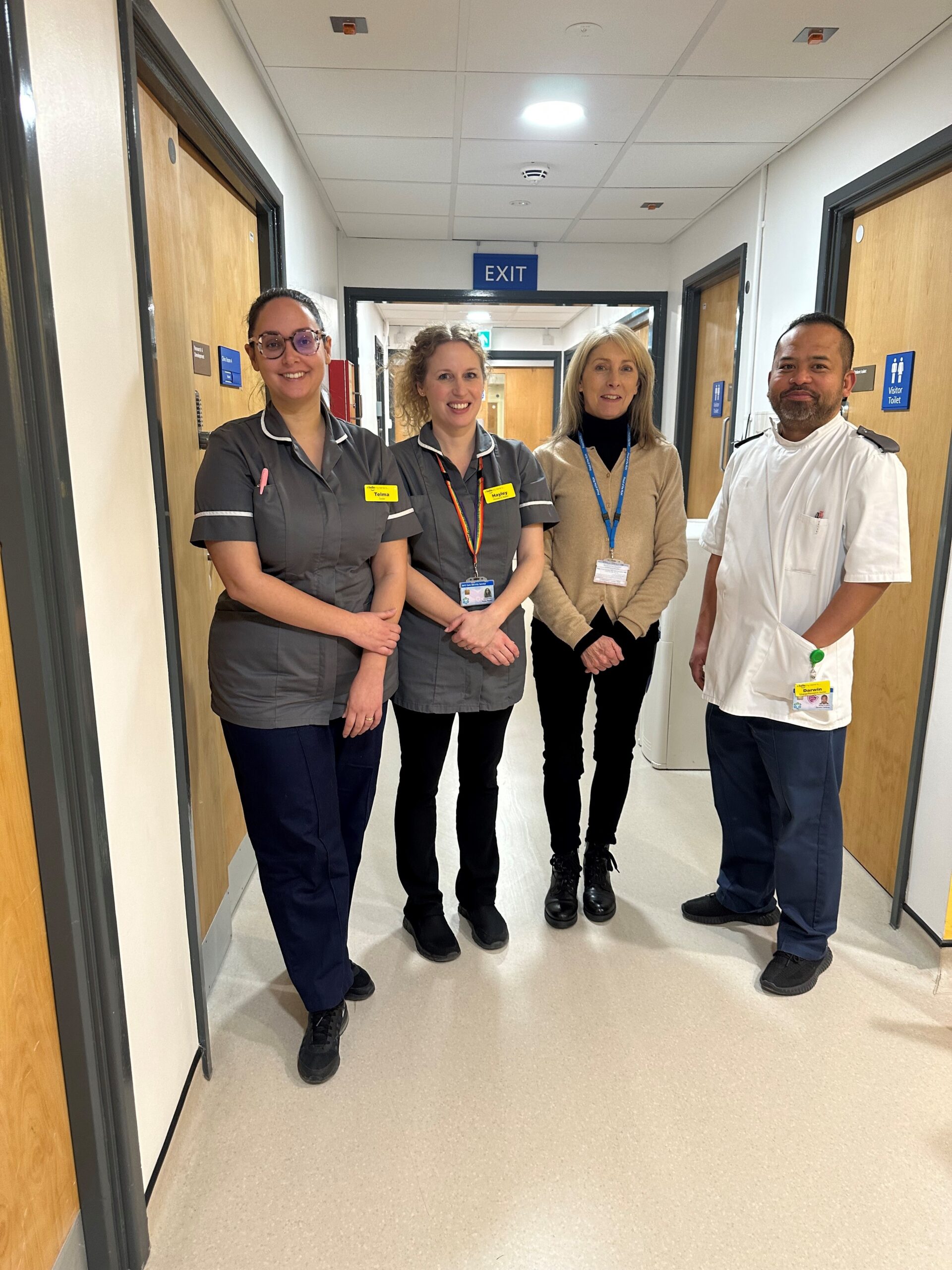
Hayley Stoney, RUH Stroke Research Nurse, said:
“Lacunar stroke is quite common but can still have very serious consequences for people,
particularly the way it can affect people’s thinking, balance and walking.
“We’re really proud to be part of such an important study which has the potential to make a real
difference to the quality of life of people who have already had a stroke, and others in the future
too.
“I would appeal to anyone who could be part of the trial to get in touch and find out more – you
will be playing a vital role in shaping the future of treatment for stroke patients.”
The study is open to patients aged 30 and above who have had a lacunar ischemic stroke
involving the small blood vessels. They must have no other active neurological disease, for
example multiple sclerosis, recurrent seizures, or neurodevelopmental disorder.
Those who volunteer for the study will be involved in the trial for around 18months. After an
initial assessment at the RUH, trial participants will have their progress checked through
telephone calls, avoiding the need for regular visits to the hospital.
To volunteer for the trial, or for more information, contact the RUH’s stroke research team on
01225 824120 or ruh-tr.strokeresearch@nhs.net
The LACunar Intervention (LACI) Trial-3 is being run by the University of Edinburgh and the
University of Nottingham and is funded by NIHR (National Institute for Health and Research).