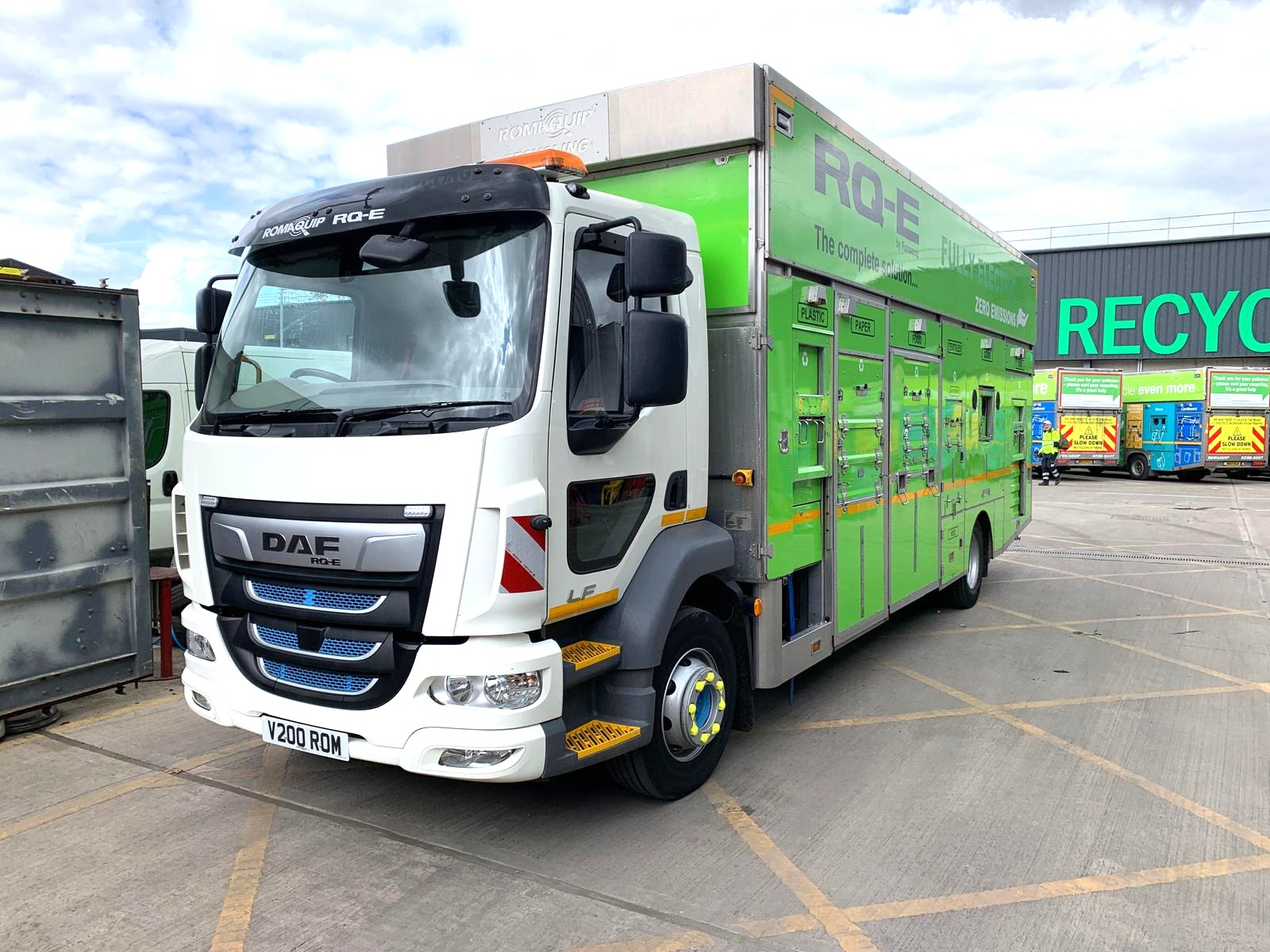
Councillors from the Independents for B&NES movement have raised concerns about B&NES Council’s plans for the electrification of its fleet of refuse trucks.
The council’s leadership is currently considering proposals to spend £2.6million on replacing several of their RCV’s (Refuse Collection Vehicles) at a time when staff working out ‘on the front line’ are receiving a pay cut.
Cllr Chris Warren (Independent, Saltford) said:
“You just couldn’t make it up! At a time when some of the council’s lowest paid workers in waste collection have been told they’re receiving a pay cut, Lib Dem-run B&NES Council wants to spend £2.6 million of taxpayers’ money on replacing some of their diesel refuse trucks with electric ones.
As a council, two of our priorities should be providing value for money for taxpayers and looking after our staff. These plans do neither.”
A report published for B&NES Council’s Climate Emergency & Sustainability Panel earlier this year shows:
– A trial is underway using different electric RCV models
– If the fleet of RCV’s undergoes electrification, the current 30 vehicles won’t be needed due to the higher capacity per vehicle – this means that some staff may lose their jobs
Cllr Karen Walker (Independent, Peasedown) is Leader of the Independents for B&NES group at the Guildhall. She said:
“This report contains no information regarding infrastructure costs, which is deeply concerning. Surely to implement the electrification of an entire fleet of vehicles, mention should be given to how they are charged?
In Peasedown St John we’ve been campaigning for years to secure just two EV (electric vehicle) charging points in our local car park, so drivers can ‘top-up’ their vehicles. The bureaucracy has been endless!
What are B&NES’ plans to introduce charging points for their entire fleet of refuse vehicles?!”
Independents for B&NES have also questioned as to whether there really are overall cost savings to replacing diesel vehicles with electric ones.
Cllr Gavin Heathcote (Independent, Peasedown) added:
“Early assessments suggest that EVs are more expensive per mile than diesel and Hydrotreated Vegetable Oil (HVO), but more specific work needed.
We’d encourage the council’s leadership to research thoroughly whether replacing all of the local authority’s diesel Refuse Collection Vehicles is actually cost effective and really does provide good value for money.
It’s also essential that any changes to the fleet do not lead to staff being made redundant, especially our frontline workers who often go the ‘extra mile’ to keep our communities clean.”
Research provided by the Independents for B&NES group shows that an indicative cost assessment using Renault trucks shows:
| Estimated annual cost * | Annual CO2 emissions | |
| 27 tonne EV | £54,340 | 6.0 tonnes |
| 26 tonne diesel | £49,096 | 38.7 tonnes |
| 26 tonne using HVO | £52,885 | 6.1 tonnes |
* Purchase price less residual value plus associated running costs to give total cost estimate over 10 years. Divided by 10 to give estimated annual cost.