New and returning university students are being advised to make sure their vaccination records are up to date ahead of the academic year starting later this month.
The call for students to get protected comes as the NHS in Bath and North East Somerset, Swindon and Wiltshire aims to increase vaccination rates against the most serious, yet preventable, health conditions.
Measles, mumps and rubella, as well as the life-threatening meningitis infection, can spread easily among those who missed out on vaccinations during childhood, meaning some university students may unknowingly be at risk when socialising with others.
The good news, however, is that vaccinations for both MMR and meningitis can be given at any age, with the immunisations available for free from all GP practices and community pharmacies.
Dr Francis Campbell, GP Partner at Elm Tree Surgery in Swindon, said:
“Attending university is a fantastic experience, and the last thing students should want to do is jeopardise their ability to enjoy campus life.
“Meningitis and MMR have the potential to bring about devastating consequences, both in the short and longer term, and we know these can spread when people who have not been vaccinated spend time together.
“Vaccinations are evidence-based and very safe, and I would encourage all students to check their immunisation records, either by talking to their parents or looking on the NHS app, and where necessary booking an appointment to get protected as quickly as possible.”
Dr Campbell’s words were echoed by James Goddard, a second-year student at the University of Bristol, who called on his peers who may have missed out on getting vaccinated to take action.
He said:
“Vaccines are an easy way to support health and wellbeing, but it’s something many students forget about.
“Getting vaccinated means we are less likely to lose time from being ill, and can focus our attention on actually enjoying uni life, and staying on top of our work.
“It also helps to protect the people we live and study with, as well as our family members.
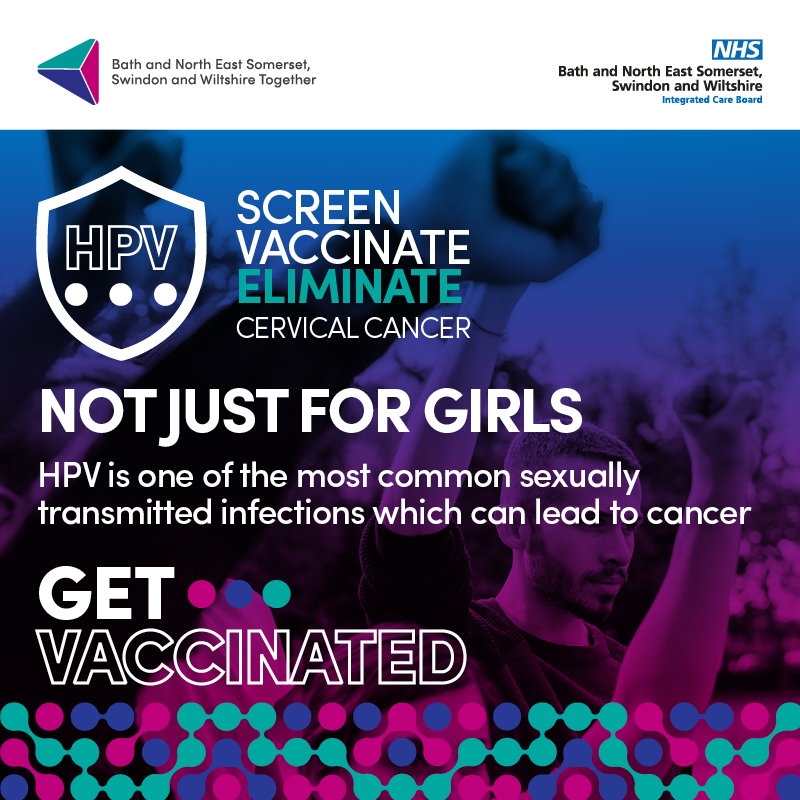
Young adults, especially those aged between 18 and 25, have also been encouraged to get protected against the human papillomavirus by getting the HPV vaccine.
Available to both males and females, the vaccine prevents the virus, which often has no visible symptoms, but can present itself as painful genital warts, from developing into one of a number of different types of cancer, including cervical, mouth and anal.
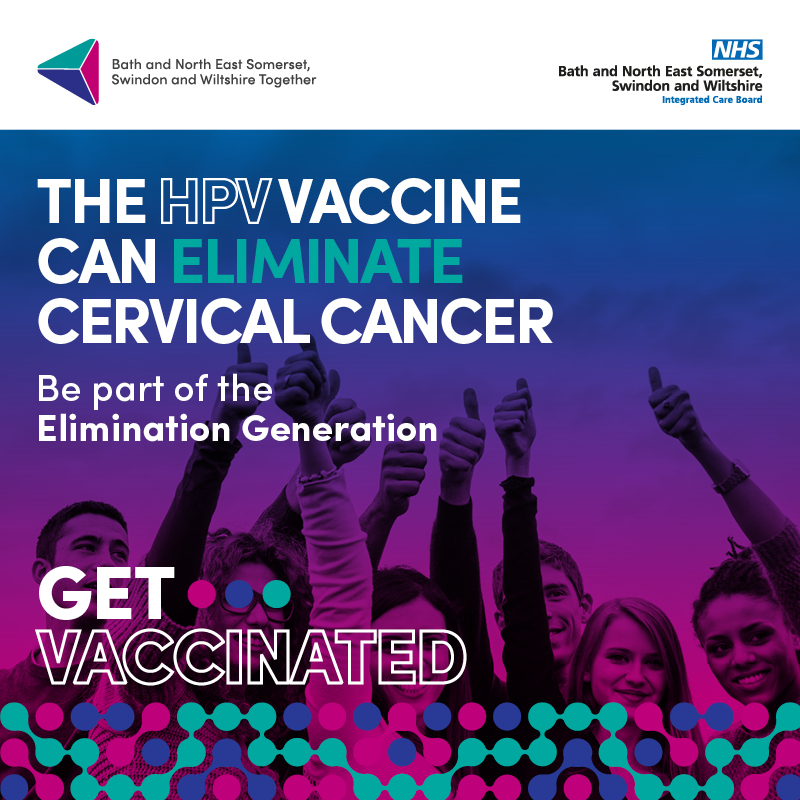
Experts have predicted that a sharp uptake in the HPV vaccine could pave the way for the condition being eliminated within the next 15 years.
Young people who missed out on getting the HPV vaccine in school, where it is routinely offered to boys and girls during Year 8, can receive a catch-up dose from their GP practice.
Students already in higher education can find out more about the vaccine by speaking to their college or university’s health and wellbeing team.
Nic Streatfield, Director of Student Support and Safeguarding, University of Bath, said:
“We encourage our students to check they are fully vaccinated before they come to university and remind them again once when they’re here that it’s not too late.
“We are grateful for the support of our NHS colleagues in attending recent welcome events, and helping us to get this important message out to our students.”
Further details about vaccinations can be found online via the NHS website at www.nhs.uk, while information about local health and care services is available at www.bswtogether.org.uk/yourhealth/vaccinations